It's What She's Good For — Part 1
String lights, a spoon against a wine glass and a friend's phone raised to film. Frances Whitaker has one gift for her son, and it cannot wait until Sunday.
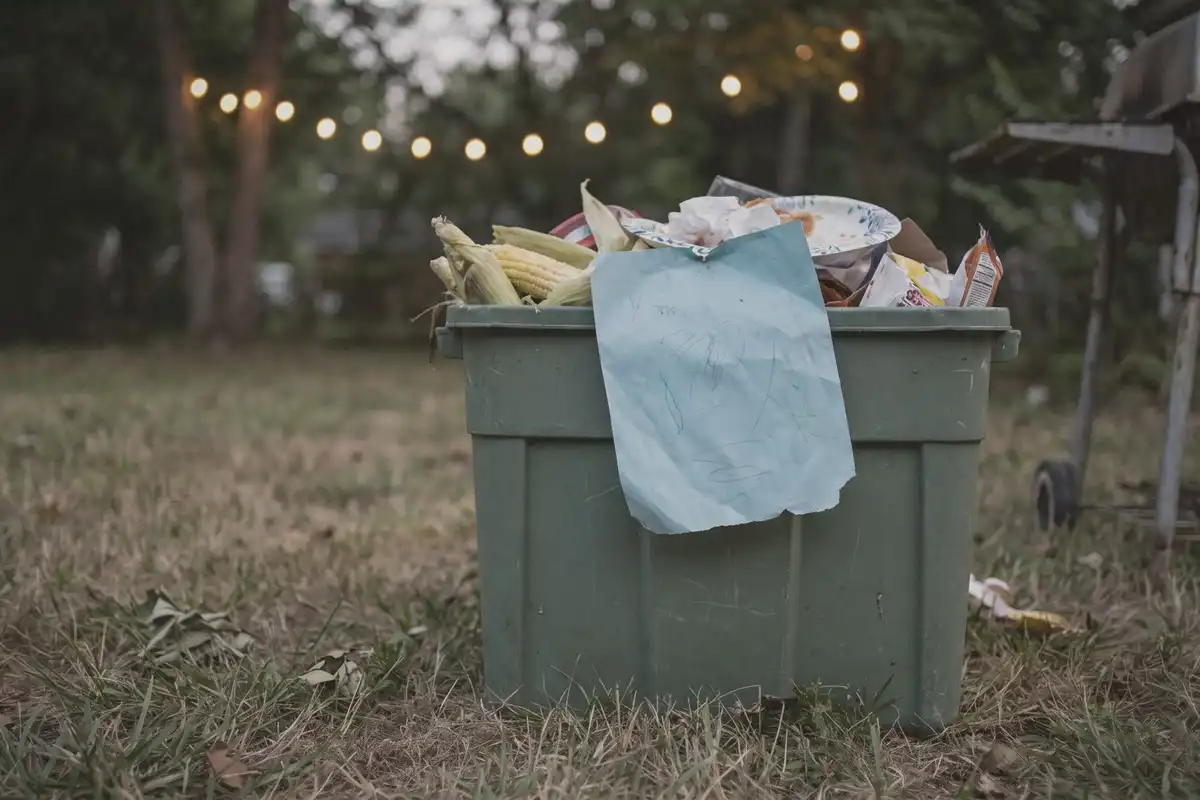
My daughter-in-law tapped a spoon against her wine glass, and her best friend, Sierra, lifted a phone to film it.
It was a Saturday evening in June, in my son’s backyard in Dogwood Falls, South Carolina. String lights over the patio. About twenty people with paper plates.
My son, Justin, was at the grill. It was his tenth anniversary party, and it was the night before Father’s Day.
Kendall announced a vow renewal at an inn on the ocean, ten weeks away. Somebody wanted to know who was doing her hair. She laughed and said, “Frances will do the bridesmaids’ hair in the kitchen. It’s what she’s good for.”
I have had my own shop in this town for forty-two years. Most of that backyard laughed.
A little later, she opened the envelope I had brought for my son. Inside was a Father’s Day card he drew in crayon when he was seven, for his daddy, my late husband, Leonard.
She held it up for the phone and said, “New chapter, people. We are starting our next ten years with no clutter.” And she dropped it in the trash can by the grill.
My son turned the chicken so he wouldn’t have to turn around.
I walked over, took that card out of the trash, and dabbed at the barbecue sauce on the corner with my napkin. Kendall called after me, “Frances, you’ll be at the inn by 7:00 that morning for the girls, right?”
I said, “No.”
Because what Kendall had forgotten, standing there in front of that camera, was whose name was on the contract for that inn.
It was mine.
My name is Frances Whitaker. I’m 66 years old, and I have cut hair in my own little shop on Depot Street for forty-two years.
Two chairs, two sinks, two dryers, a coffee pot, and a dish of peppermints by the register. I opened it in the spring of 1983, when I was 24 and too young to know better. Tuesday through Saturday, I’m there.
Here’s what a hairdresser knows. People tell you things in that chair they wouldn’t tell their pastor.
They look at themselves in the mirror, and you look at the back of their head, the part they never get to see. After forty-some years, you can tell a lot about a woman by where her eyes go while you work.
Some watch their hair. Some watch the door. And some watch themselves the whole time, turning their chin, checking for their good side.
The other thing a hairdresser knows is that scissors only go one direction. You can always take more off. You can never put it back.
So I’ve been saying the same thing for forty years to the young stylists who’ve worked beside me. A good haircut is mostly what you choose not to cut.
You leave the length that’s working. You leave a cowlick alone if it’s been there fifty years. You find the split end, you cut it clean, just above the split, and you let everything else be.
Most people in town know me as the sweet lady with the scissors and the peppermints. I am that. But I also listen.
I keep my appointment book in pencil. And I don’t sign my name to anything I haven’t gone over line by line.
My husband was Leonard Whitaker. He was a welder at the boat trailer plant out on the county road for thirty-seven years.
A quiet man. Big hands, little burn scars all up both forearms, and he could fix anything in this world except a conversation.
We married in May of 1982 and spent our honeymoon at a little motel on the South Carolina coast, three and a half hours from home. Our only child, Justin, was born in January of 1987.
The summer Justin was seven, on the night before Father’s Day, he sat at our kitchen table with a sheet of blue construction paper and a box of crayons. He wouldn’t let me look. The next morning, Sunday, June 19, 1994, he gave his daddy a card.
On the front was a man in a welding helmet, with orange and yellow sparks flying all around him. Justin had drawn every one of those sparks as a star.
Across the top, in big crooked letters, he had written My Dad Makes Stars. Inside, he wrote, Happy Father’s Day.
When I grow up I want to make stars too. Love, Justin, age seven.
Leonard looked at that card a long time. He didn’t say much. He never did.
But on Monday morning, he taped it inside the lid of his metal lunch box.
It stayed there for nineteen years. Every workday at noon, Leonard opened that lid, and there it was. When the tape turned yellow, he taped it again.
The men he ate lunch with saw it every day. They’d knock on the lid and say, “How’s the star maker?”
Leonard died on Tuesday, October 8, 2013. His heart. He was 58.
He came home from the plant, ate his supper, sat down in his recliner, and didn’t get up. Justin was 26.
At the funeral, the men from Leonard’s shift came in their work shirts. One by one, they laid little stars on his casket, cut out of scrap steel, with every edge ground smooth.
Those stars were buried with him. Justin stood there looking at them, and he asked me why stars.
I put my hand on his arm. “I’ll tell you sometime, son.”
And for almost twelve years, I didn’t.
Leonard’s lunch box had sat on the kitchen counter since the night he died. The morning after the funeral, I finally opened it to wash out his thermos, and there was the card. Faded, soft as cloth, with a gray thumbprint on the back from Leonard’s greasy hands and a coffee ring on one corner.
I took it to the shop and tucked it into the corner of the mirror at my station. It stayed there until this past June.
Clients asked about it all the time. I told them it was the best pay my husband ever got.
This past March, our grandson, Owen, turned seven. The same age Justin was when he drew it.
And I decided it was time. I would give the card to Justin for Father’s Day, and I would finally tell him about the lunch box, and the men at the plant, and the stars.
Back in March, Kendall decided that for their tenth anniversary, she and Justin would renew their vows. Not at the church. At the Sea Oat Inn, a big white inn right on the ocean, down on the coast.
A ceremony on the lawn, and dinner on the terrace for sixty guests. The whole thing came to $14,400.
The inn has a payment plan. You put down a deposit, you pay the rest in installments, and they keep a card on file. Because cancelling late still means owing the balance, they only offer that plan to a client who can pass their credit check.
Kendall couldn’t. Neither could Justin. Their credit cards were carrying more than their paychecks could keep up with, and I’ll leave it at that.
So on a Thursday evening in March, Justin came into my shop right at closing time. He stood under that card in my mirror, and he asked me for help. “Mama, it’s our tenth. Kendall’s got her heart set on it. You’d only be signing for the credit part. We’ll pay every installment ourselves, before it’s due. Your card won’t get touched. I promise.”
Justin is my only child. I said yes.
The inn ran my credit, and I passed. I’ve paid my bills on time since I was 18.
The events manager at the inn, a Ms. McBride, emailed me the contract. Eleven pages. I printed them out at the shop and went over every line twice, the same way I go over the lease on my shop.
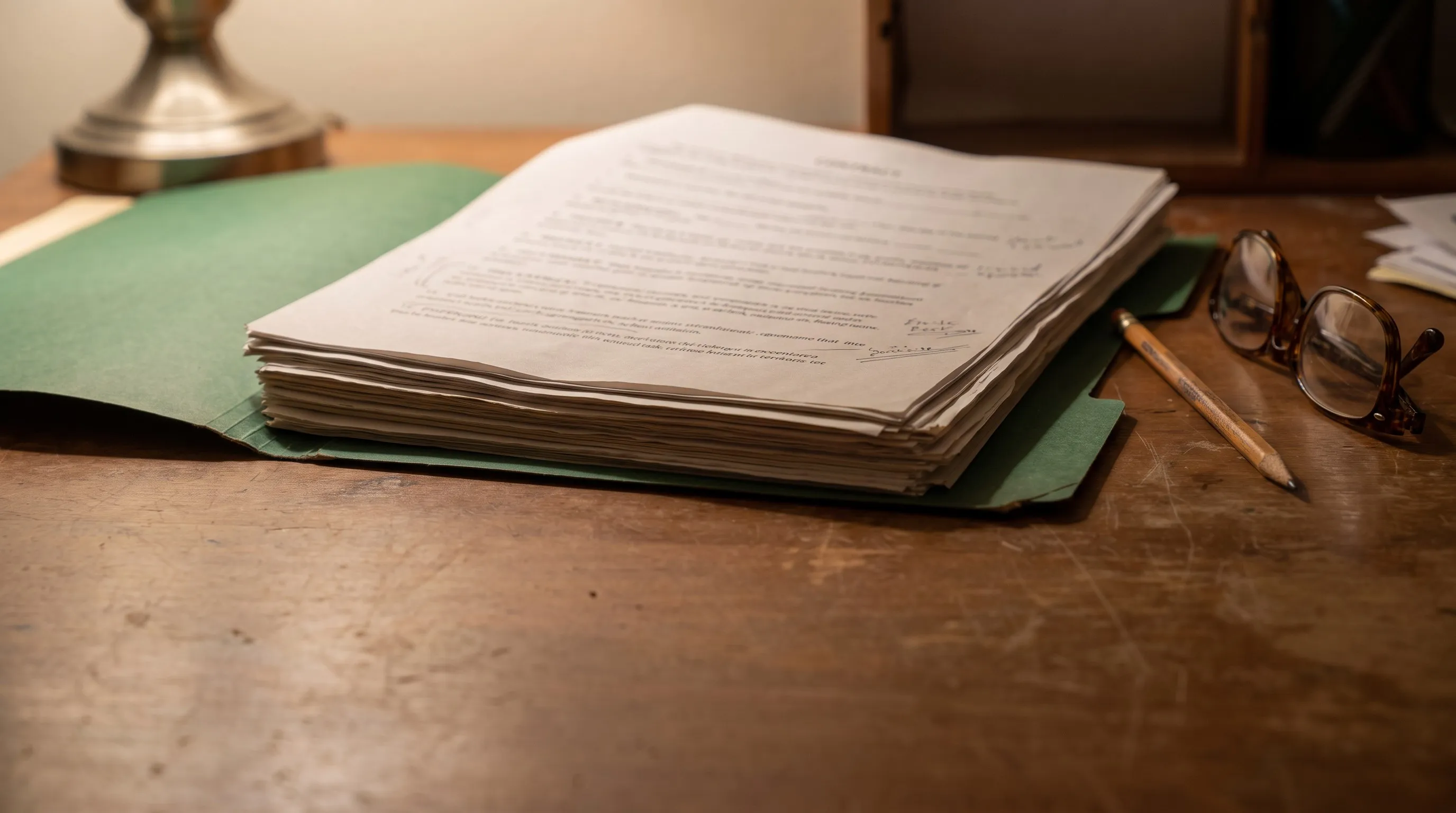
On Tuesday, March 18, I signed it, and I paid the $2,500 deposit over the phone with my own card. That deposit was my anniversary gift to them. I told Justin so.
The client named on that contract was Frances Whitaker. Me. Kendall was listed as the planning contact.
That meant she could choose the flowers and the menu and the music. But only the client named on the contract could change it, move it, or cancel it, and it had to be in writing.
Section seven made the $2,500 deposit non-refundable. Under section nine, if the client cancelled in writing, and the inn received it at least sixty days before the event, every dollar paid except the deposit would come back. Any later than that, and nothing came back, and the full balance was still owed.
The payment schedule was simple. The deposit at signing. A second payment of $3,200, ninety days before the event.
The final $8,700, three weeks before. And any payment nobody made by its due date would go on the card they kept on file. My card.
In May, Justin called to tell me he’d paid that second payment himself, with his debit card, out of their tax refund. I was proud of him.
So why didn’t Kendall remember whose name was on that contract? Because every email about flowers and menus went to Kendall. The contract and the receipts came to me.
Kendall told her friends, and the 9,000 or so people who follow her page, “I booked the inn.” And I didn’t correct her. Neither did my son, and he was the one who asked me to sign it.
I thought quiet was a kindness. I trusted quiet to do a job only words can do.
I’m not going to paint my daughter-in-law as a cartoon villain. Kendall is 35. She’s pretty and quick and funny, and she can make a Tuesday supper look like a magazine cover.
She packs Owen’s school lunches like little works of art.
She also runs a page online about home and style. Just about everything in Kendall’s life goes through that phone first. The dinner, the outfit, the new rug, the first day of school.
There’s a reason for that. Kendall grew up in a rented house where her mother kept the front room perfect for company and piled everything else behind the bedroom doors.
Her mother told her, and Kendall told me this herself, “People only see what’s in the frame.” Kendall learned that lesson well.
When she sat in my chair, she hardly ever watched her hair. She watched her phone.
Her best friend since high school is Sierra. Sierra is 35, too, and she films just about everything Kendall does.
She has been trying to get a business going, filming weddings. Kendall had promised her the vow renewal would be her first big one.
And then there’s my son.
Justin is 38. He runs the parts counter at the tractor dealership out on the highway. He is a good father.
He’s gentle, the way his daddy was. But when Justin was a little boy and voices got loud in our house, he went to his room and turned his radio up.
For most of his life, he kept turning the radio up. When things got hard with Kendall, Justin usually chose easier.
Back then, Kendall brought Owen to my shop every other Saturday for a trim. He had just finished first grade. He’d climb up in my chair and spin it around twice before I could catch him.
And then there’s Rhonda. Rhonda has rented my second chair since 1999. She’s 61.
She knows just about every family in Dogwood Falls. She’s on her phone between clients, and she doesn’t let anybody talk ugly about me where she can hear it.
The invitation came by text, of course. Saturday, June 14. 6:30.
Our backyard. Ten years. Wear neutrals.
According to Kendall, neutral colors look better on camera.
Their real anniversary was Friday, the 13th, and Kendall didn’t want a party on a Friday the 13th. I can’t say I blame her. So it was Saturday, the night before Father’s Day.
On Sunday, the three of them had plans with Kendall’s family, so Saturday night was my chance.